Norway & Netherlands Best Practices Tour: Reflections from Kristin Leiber
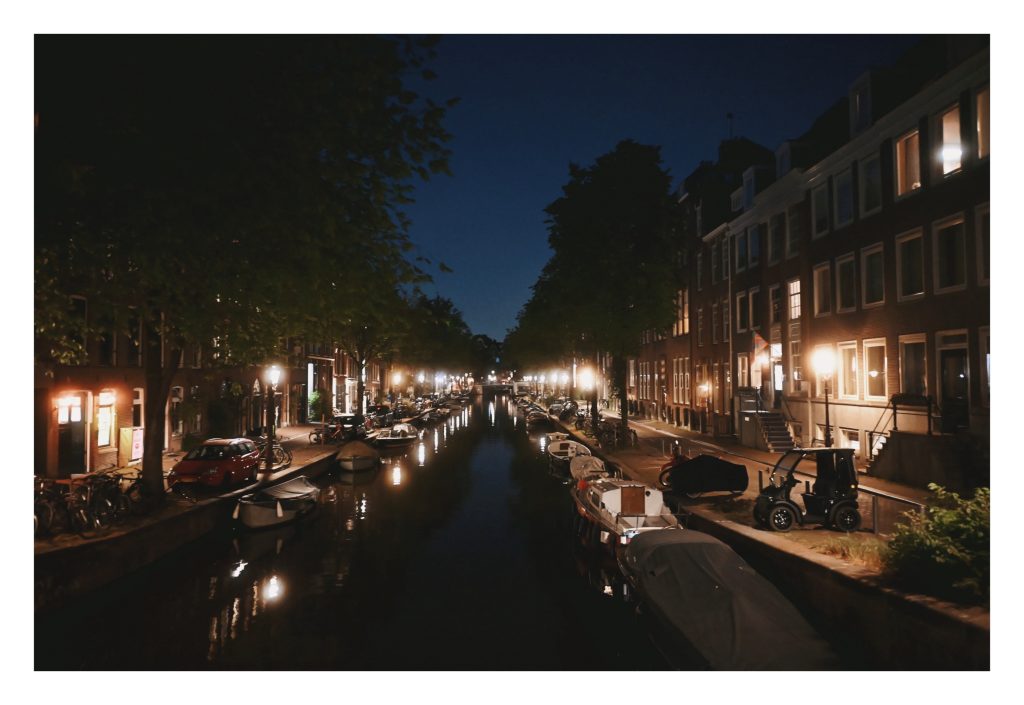
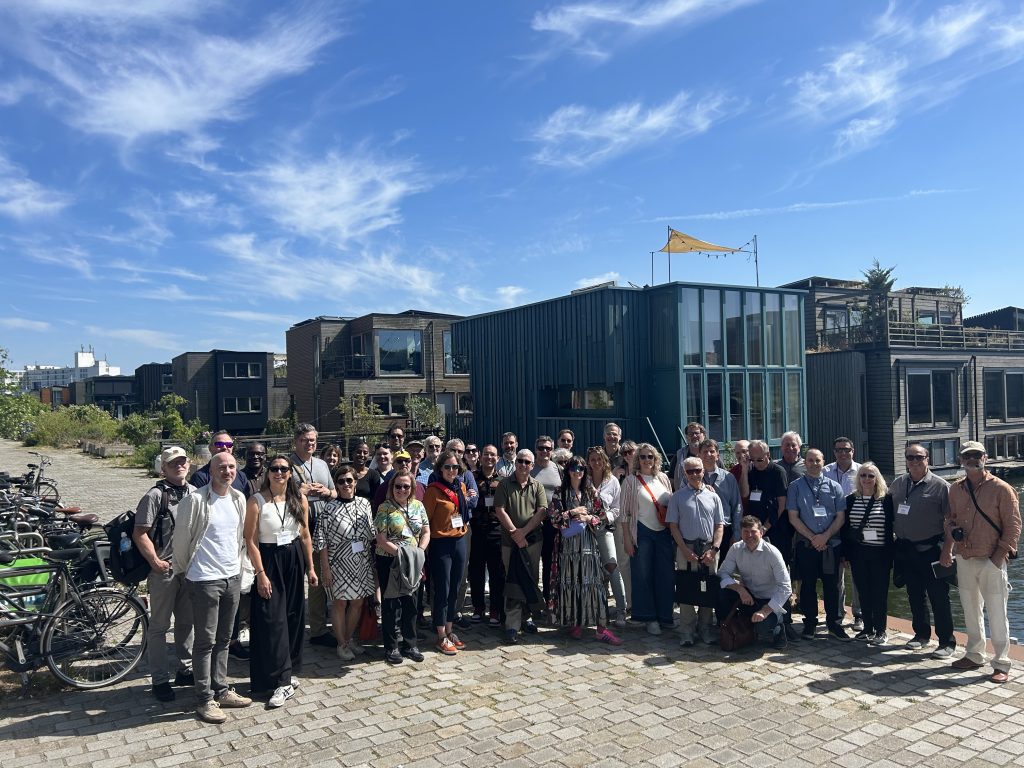
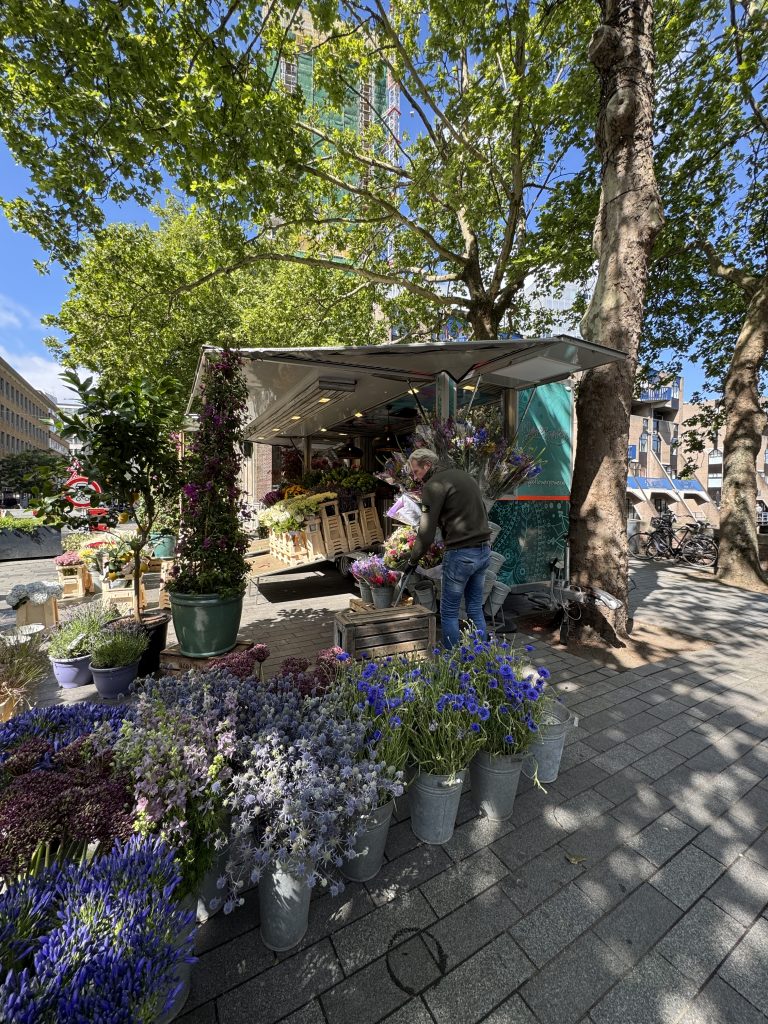
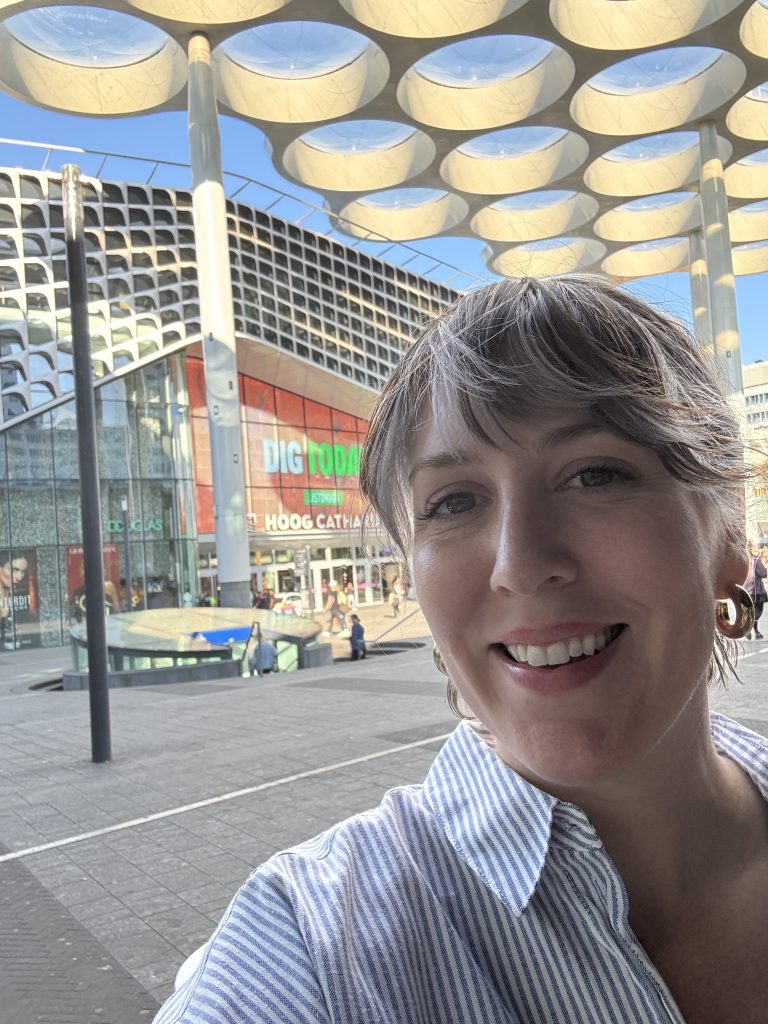
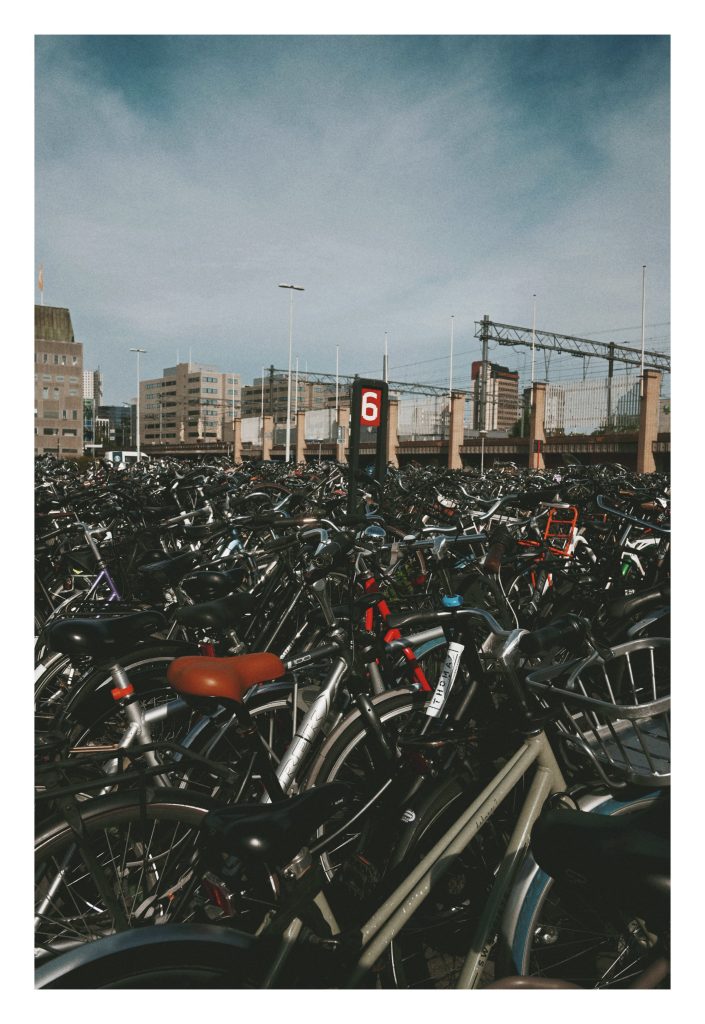
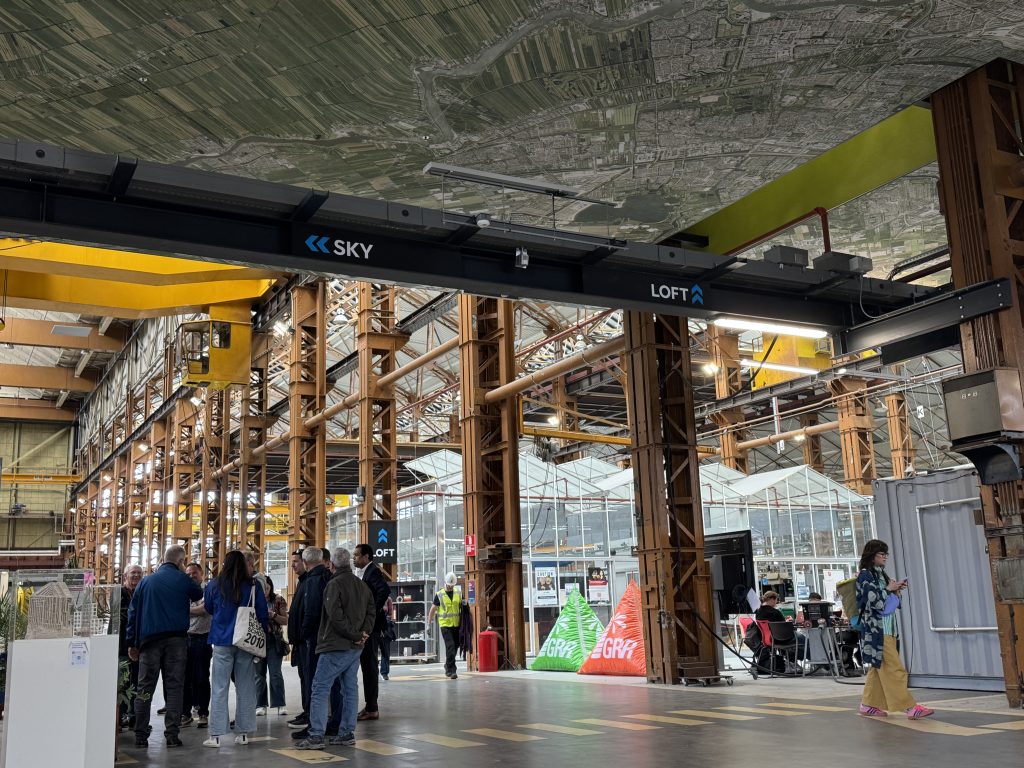
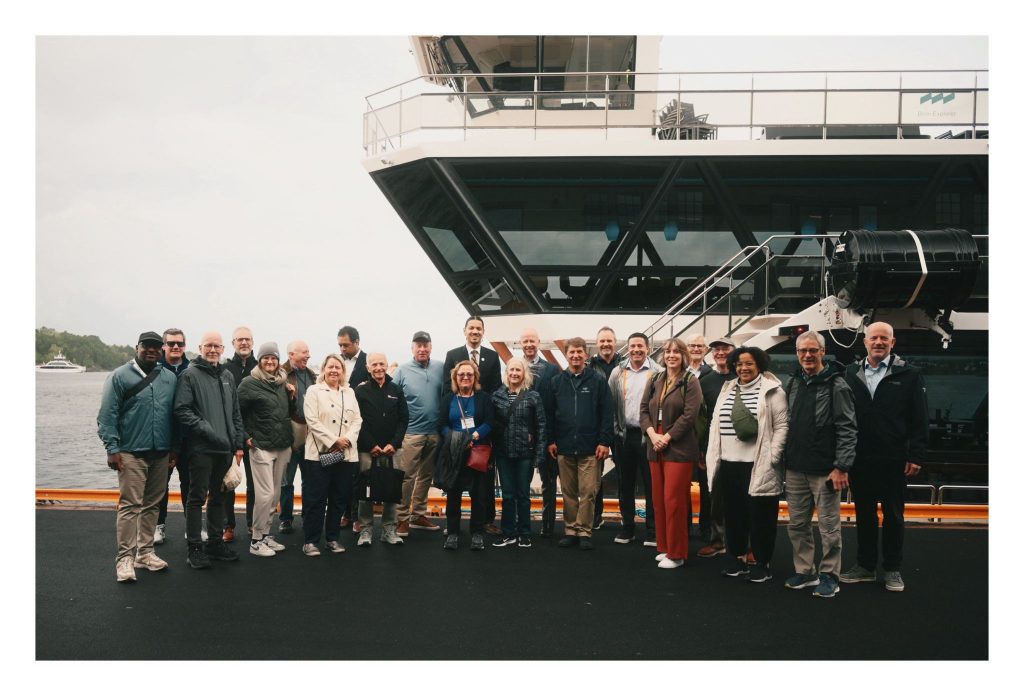
In May, I joined this year’s Best Practices Trip, a powerhouse delegation of Portland leaders on a ten-day deep dive through Amsterdam and Rotterdam in the Netherlands, then Oslo and Bergen in Norway. Our goal was simple: to uncover proven models for resilient mobility, vibrant public spaces, and inclusive governance, and bring them home to our own. Here’s what stuck with me most.
1. The Polder Model: Reclaiming Consensus for the Common Good
The polder model is a Dutch approach to consensus-based decision-making, so named because polders are lands reclaimed from the sea and enclosed by dikes, where cooperation is essential to keep them dry. In the Netherlands, farmers, city planners, environmental scientists, and port authorities collaborate on a range of initiatives, from water management to zoning, to ensure that science-based goals become national imperatives. This enables the debate to shift from “why” to “how.” I’ll admit: their solutions often felt perfect in their clarity and optimism—far ahead of our own. But rather than be intimidated, we must start here. Criticism without solutions gets us nowhere; naysayers must return with proposals. In Portland, our “polder” is the collective renewal of our city: a place where environment and economy thrive hand in hand.
2. The Triple-Helix Engine: Government + Academia + Business
Everywhere we went, we saw collaborative sprints. The Dutch-coined triple-helix model has powered Dutch innovation for decades: universities, government, and industry co-fund R&D, share data, and co-govern pilot projects. In Amsterdam, this means smart-bike trials get both startup grants and fast-track permitting; in Oslo, it means a dedicated “green capital” line item in every departmental budget. Existential questions at the national level are posed to creatives and academia, and all the appropriate levers of a reward system are pulled to home-grown solutions.
A triple helix model also means that science is trusted, the government sets policy accordingly, and private enterprise seeks market-driven solutions with immediate market applications and widespread benefits. Simply put, this is not where we are as a nation today. I was stunned by the outsized power that the tiny nation of the Netherlands is able to wield with this approach. Portland and the state of Oregon should follow suit in terms of depoliticizing science and data.
3. Quality Consensus-Building as Project Fuel
Across Norway and the Netherlands, I was struck by how much time they invest in early-stage consensus building (often 6–12 months of charrettes, public workshops, and technical reviews) before the first shovels hit the dirt. That front-loading of agreement prevents the endless appeals and lawsuits we endure here. It also means that when they finally break ground on a bikeway, everyone, from utility companies to local restaurateurs, shows up to celebrate.
I’ll confess I was both inspired and daunted. From a European state with 15+ political parties to a US dominated by 2, it is almost unfathomable to me how to immediately achieve that sort of compromise at the state, much less the federal level here. Rubbing shoulders with fellow “do-ers” on the trip, from nonprofit leaders to private real estate developers, I saw that consensus isn’t about unanimity; it’s about rigorous listening and pragmatic compromise. We didn’t always agree on things like risk capital structures or land-use trade-offs, but we all shared a bias toward action. That cooperative DNA is what turns policy documents into lived reality. It’s my hope we can find that here in Portland.
4. National-Scale Climate Focus
In Norway, climate action is the core of government operations. The 2030 Climate Strategy requires each ministry to link its budget and performance metrics to clear, science-based targets. For example, Norway aims to cut emissions by 55% below 1990 levels by 2030, and missing that goal means a ministry cannot access future funding lines.
The transport sector is held to especially rigorous standards: Norway’s goal to register only zero-emission new cars by 2025 has driven unprecedented adoption with nearly 90% of all new passenger vehicles sold in 2024 being electric. Departments that lag in EV-infrastructure roll-out or fail to reduce fleet emissions see their capital budgets reallocated to higher-performing initiatives.
Similarly, the education ministry must demonstrate measurable progress on greening campuses (such as renewable energy installations, energy-efficient renovations, and sustainable procurement practices) or face stalled funding. This direct line from scientific targets to funding flows creates accountability and transparency across the board.
Our crises in Portland may feel overwhelming, but Norway’s model proves that “function over perfection” is the cure for paralysis. We don’t need flawless plans to begin; we need codified commitments that guide us through course corrections. By adopting even a fraction of Norway’s budget-linked, target-driven approach, we can turn our ambitious climate goals into real, measurable progress—and keep every agency honest along the way.
5. Seamless Multimodal Mobility & Pristine Nature as Draws
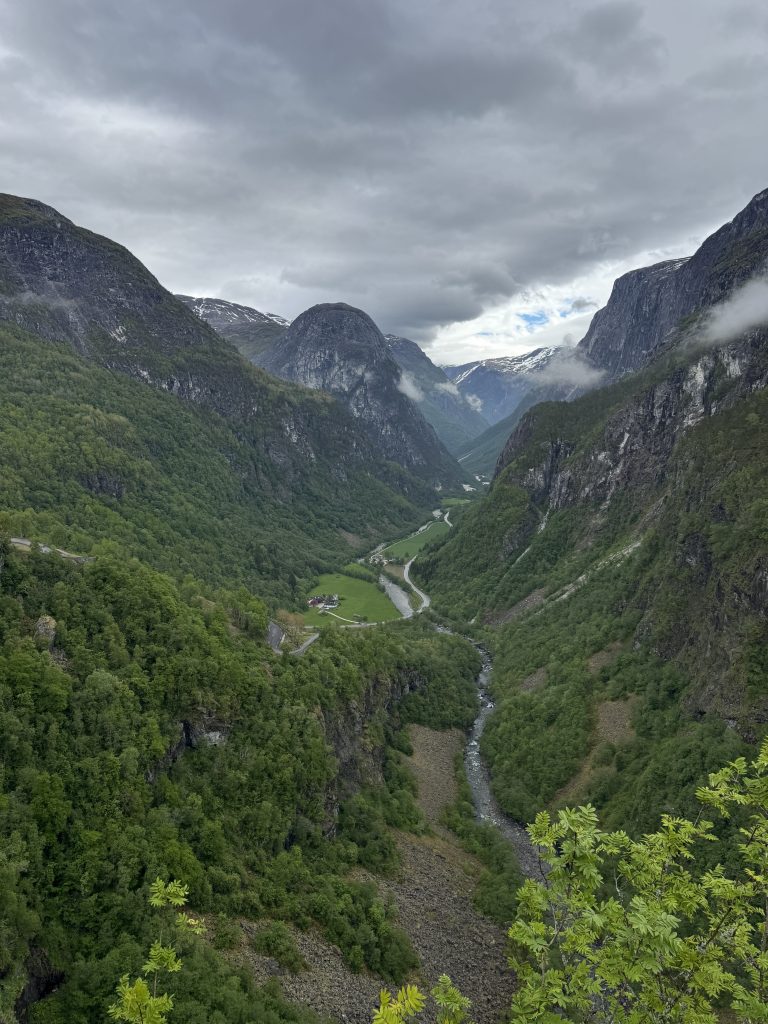
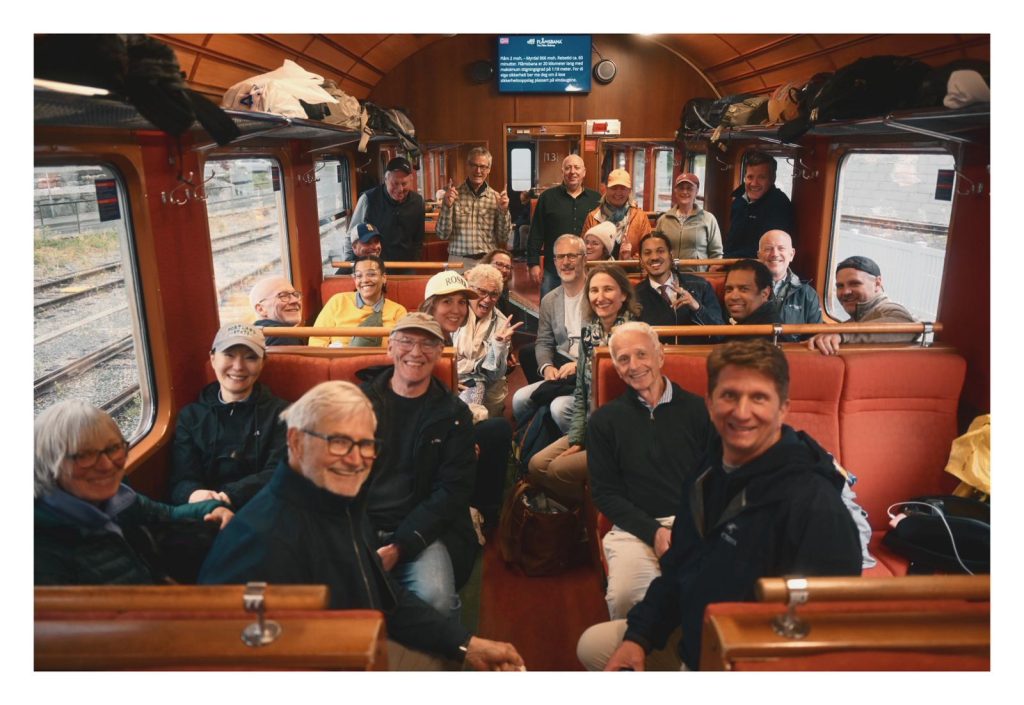
We saw “Norway in a Nutshell” on one of the day-long odysseys: a signature fjord-cruise package linking Bergen and Oslo via heritage rail, mountain coach, and scenic ferry. Travelers board the historic Bergen Railway, transfer to a bus through the Aurlandsfjord’s towering cliffs, cruise the UNESCO-listed Nærøyfjord, and ride the steep Flåm Railway back up to Myrdal before continuing on. In short, it was an orchestrated showcase of Norway’s rugged coastlines, waterfalls, and peaks.
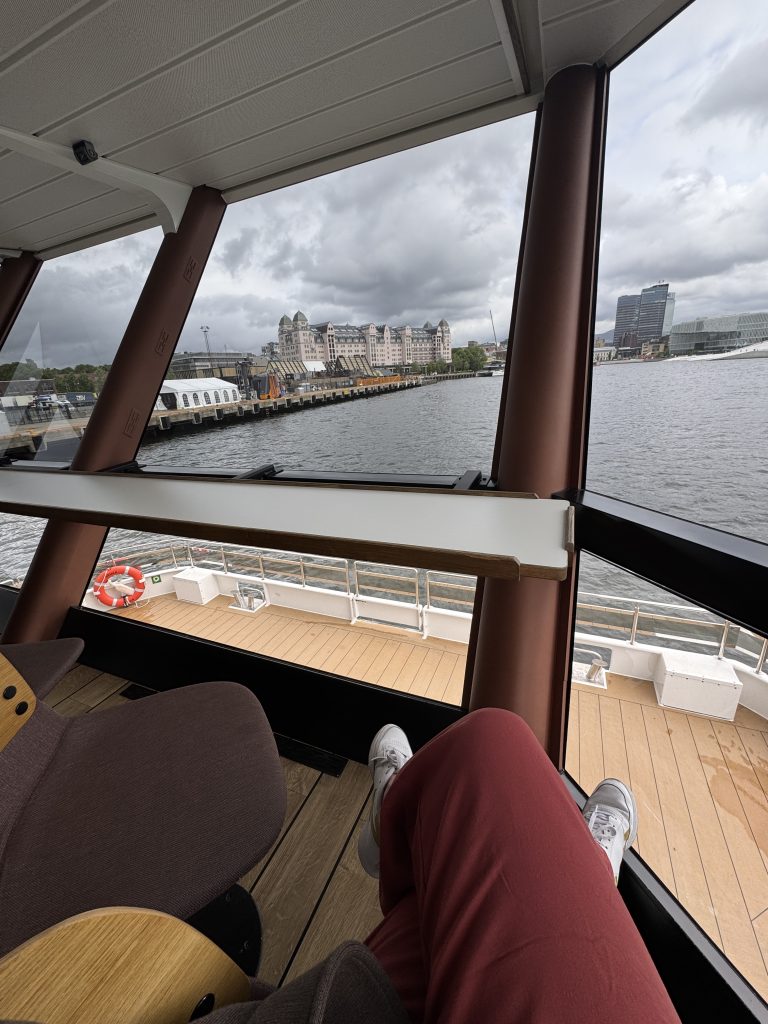
On our trip, we rode the vintage Fløibanen funicular (in service since 1918) up Mount Fløyen (home to over two million annual passengers), then descended by modern coach through wooded valleys before hopping aboard an electric Norled water taxi. Each leg felt choreographed: glass-roofed funicular cars framing fjord vistas, comfortable buses winding past cascading waterfalls, and ferries gliding across mirror-calm waters.
What struck me most was seeing visitors from nearly every continent converge on this one route, all drawn by both the remarkable landscape and the seamless experience. It’s a powerful example of how thoughtfully designed tourism can be an enormous win for both economy and environment.
Similarly to Portland’s Urban Growth Boundary, Norway and the Netherlands have firm lines around their cities protecting farmland, forests, and waterways from sprawl. Yet on this 14-hour adventure, I realized they haven’t set economy and environment against each other; they’ve locked them in step. That alignment not only preserves their precious landscapes, it transforms them into world-class destinations. Portland, and even Oregon, can do the same: by weaving our riverfront trails, historic streetcar, and shuttle networks into immersive routes that link into the Gorge, Willamette River Valley, and the coast, we’ll draw global visitors, grow our local economy, and safeguard our natural heritage all at once. Environment is not fundamentally at odds with tourism and economy.
6. “Dynamic Security” for Public Spaces
One unexpected stop: a Norwegian justice reform session on dynamic security in prisons. Instead of fixed guard towers, staff rotate into small units, build trust through daily interactions, and collaborate with peer mentors on re-entry. I saw direct parallels in our public-space work: roving park ambassadors, supported by interns and volunteers, can foster the same goodwill and informal surveillance that CCTV and fencing never will. Our Holladay Park Coffee & Coworking mornings have already shown that a warm greeting and an outstretched hand change behavior faster than “No Trespassing” signs.
Personal Reflections & Next Steps
I came home both inspired and, at times, overwhelmed. These cities have what feel like, at times, perfect systems. But I had to remind myself they didn’t start there. Portland can start replicating these achievement masters through smaller wins: achieving consensus, holding mandates, and learning iteratively. I met minds sharply aligned with Portland’s spirit and others provocatively different. Together, we shared meals, attended workshops, and asked each other, “How do we build wealth and resilience? How do we develop our city and protect our environment?”
If I left hopeful about one thing, it’s that Lloyd EcoDistrict’s ambitious pilots, container-parklet experiments, staff-led dock activations, and fledgling multisector coalitions are the first steps on that path. We can’t let perfect stop a great start. By embracing the polder model, triple-helix funding, and dynamic community engagement, we’ll pilot boldly, build consensus deliberately, and turn those pilots into permanent change. Our one-square-mile laboratory in Portland is ready. Let’s get to it.
— Kristin Leiber, Executive Director, Lloyd EcoDistrict
Photos by Kristin Leiber. Except for the good ones which were taken, edited, and generously shared by the talented Tory Campbell