Presence Over Perfection: What 90 Days in Holladay Park Taught Us About Public Space
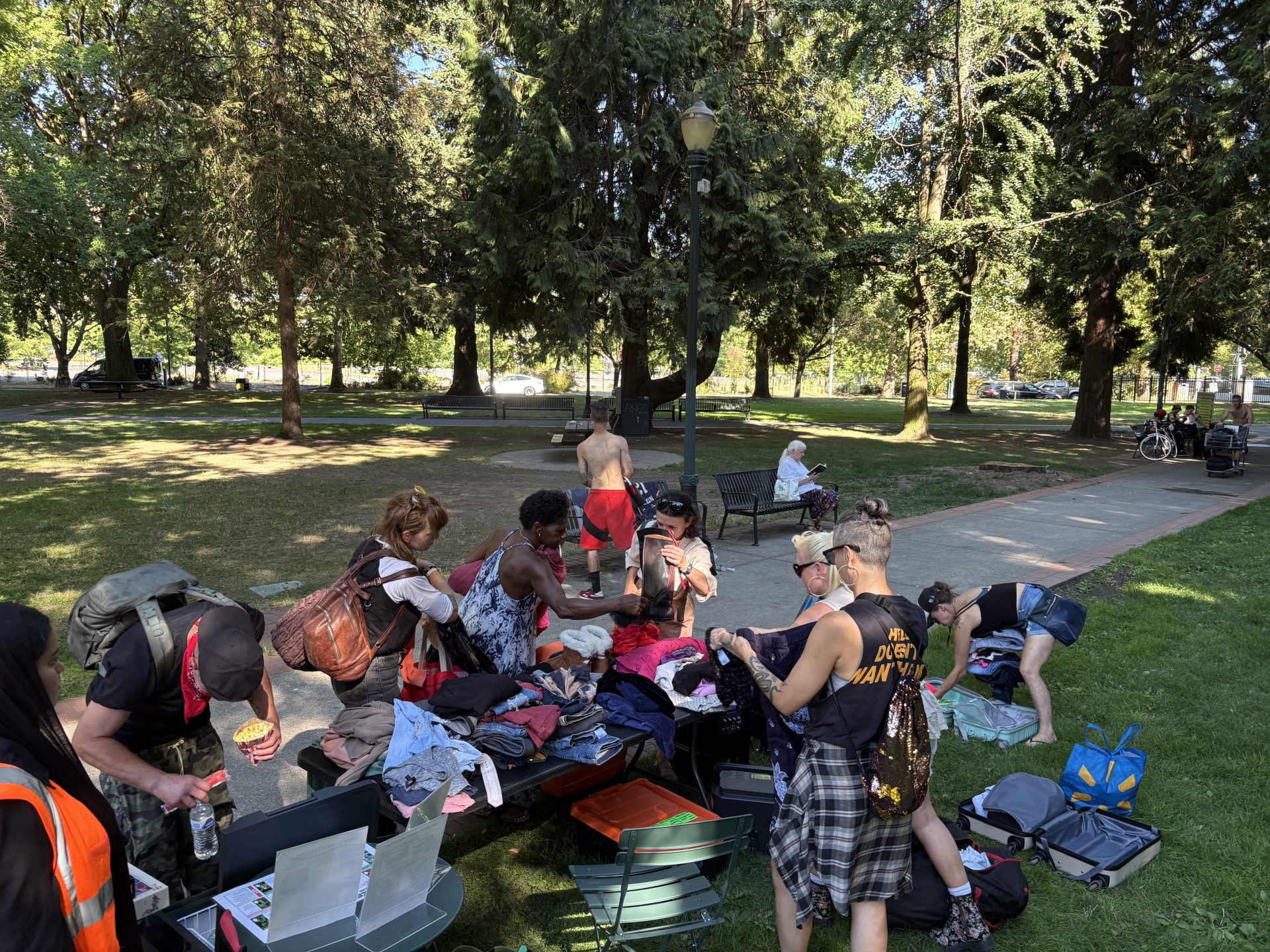
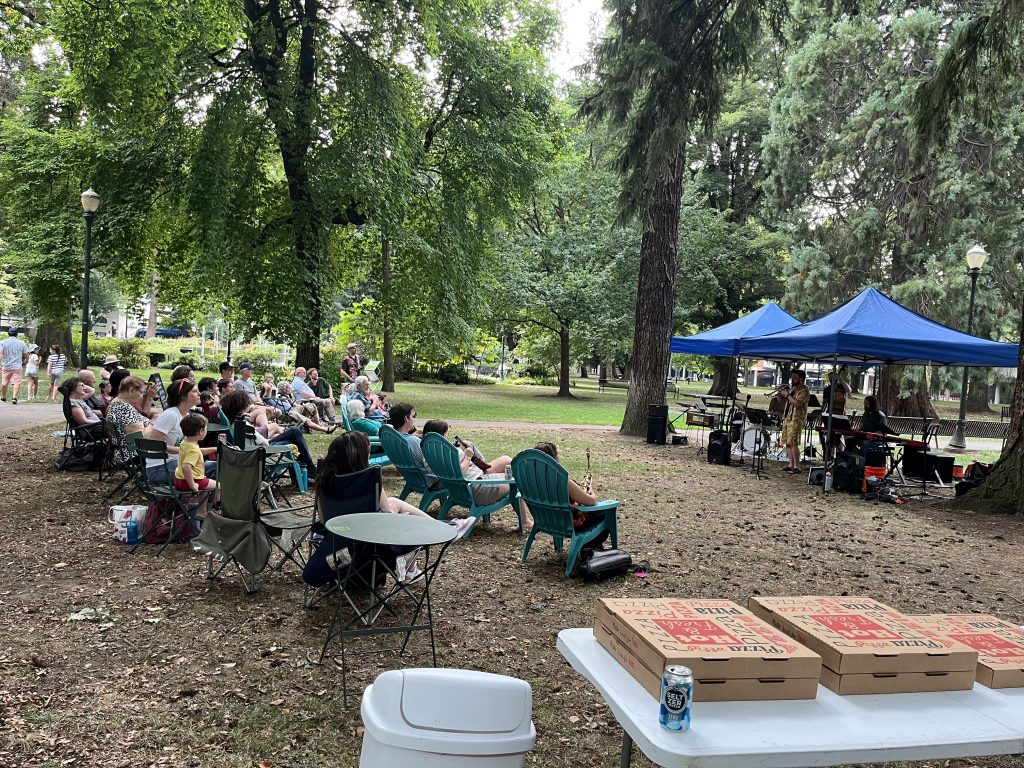
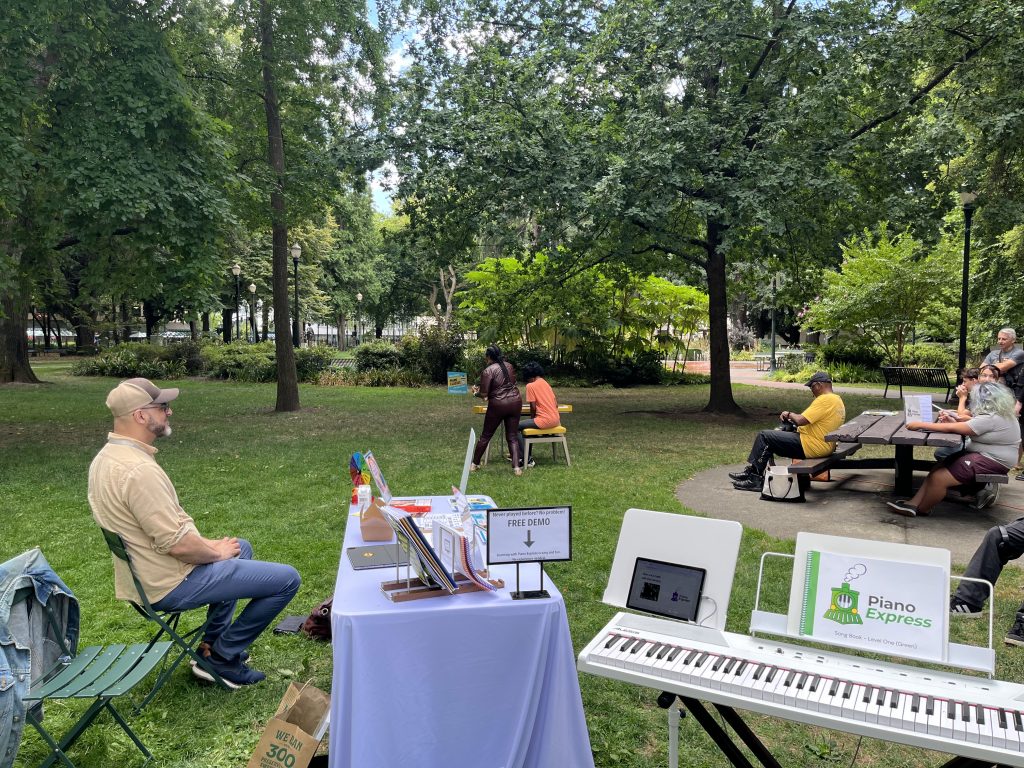
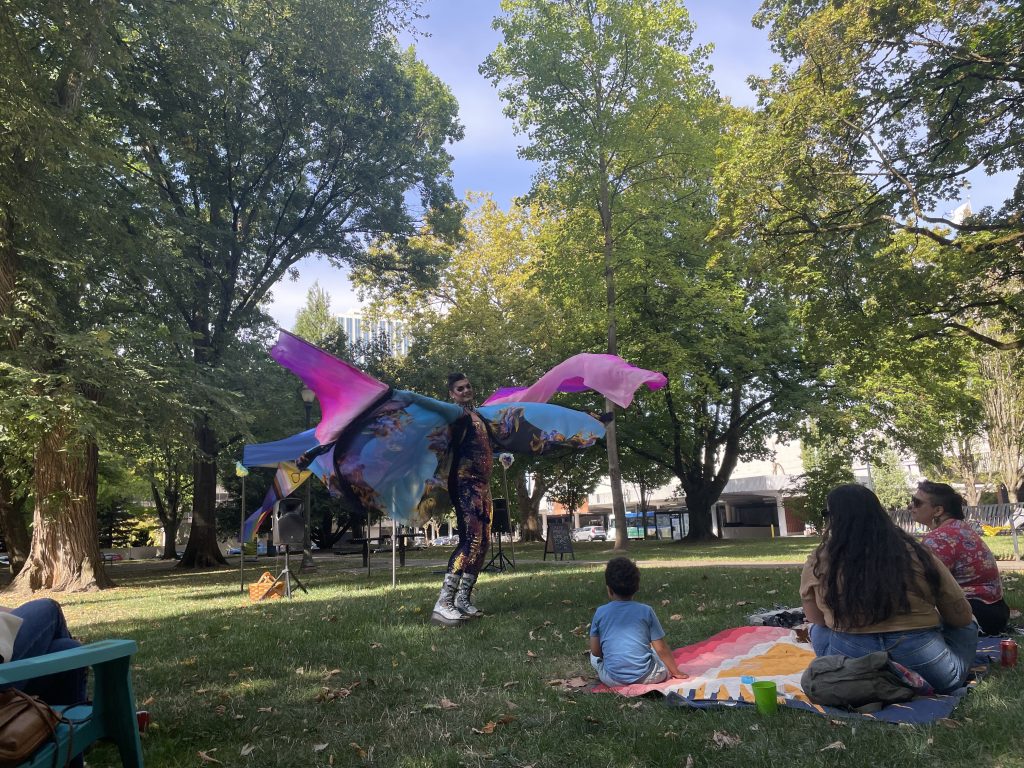
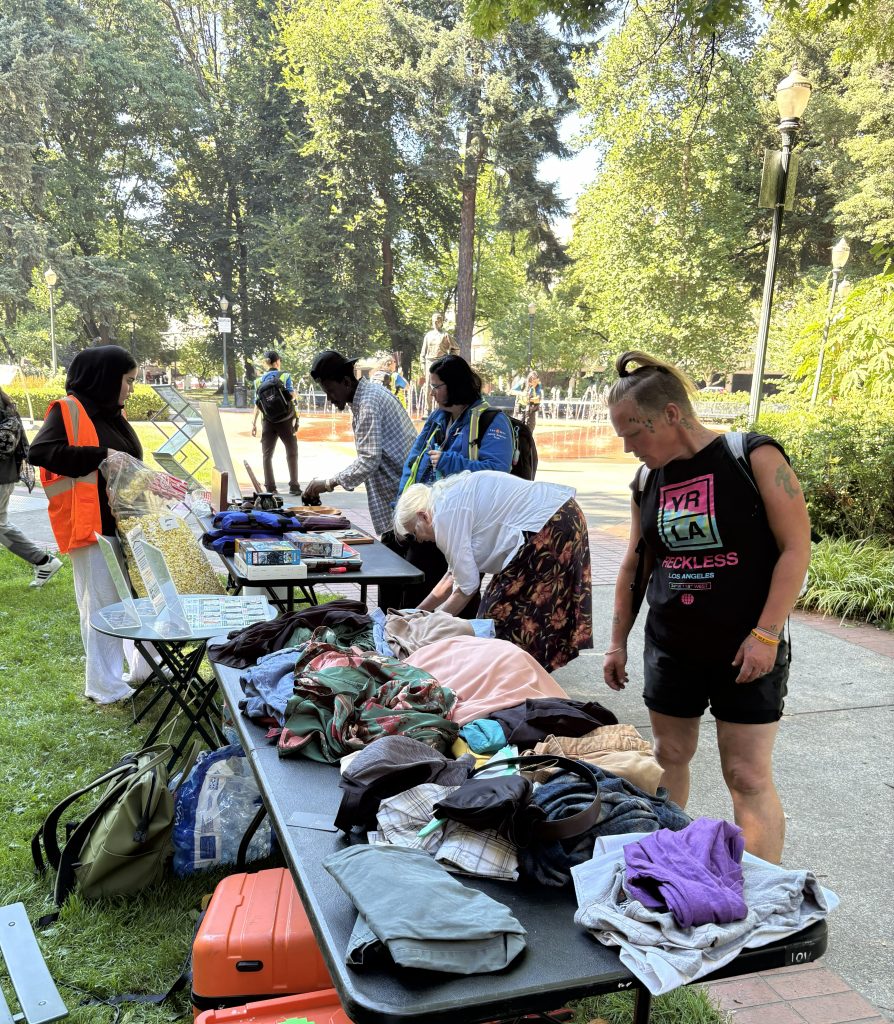
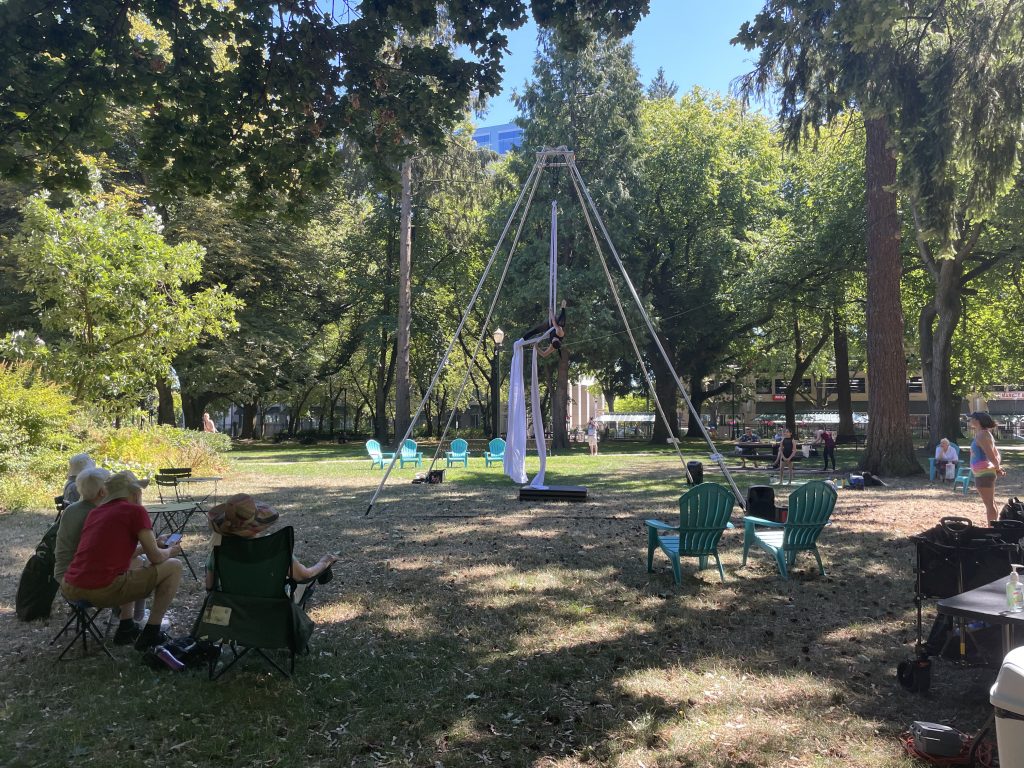
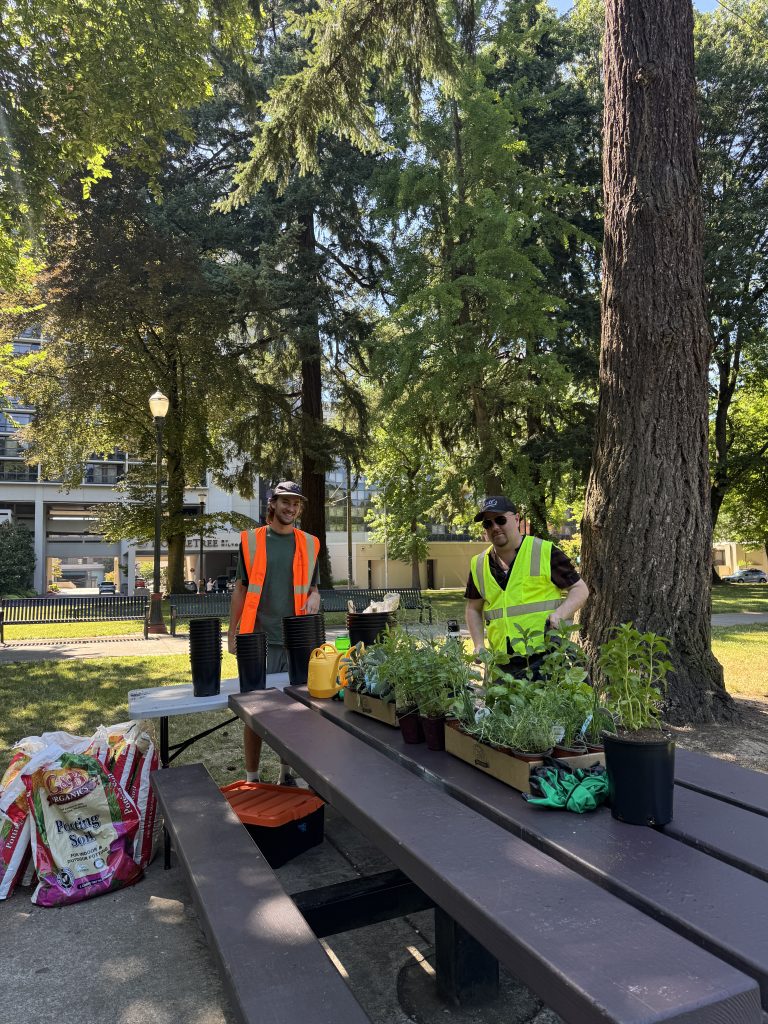
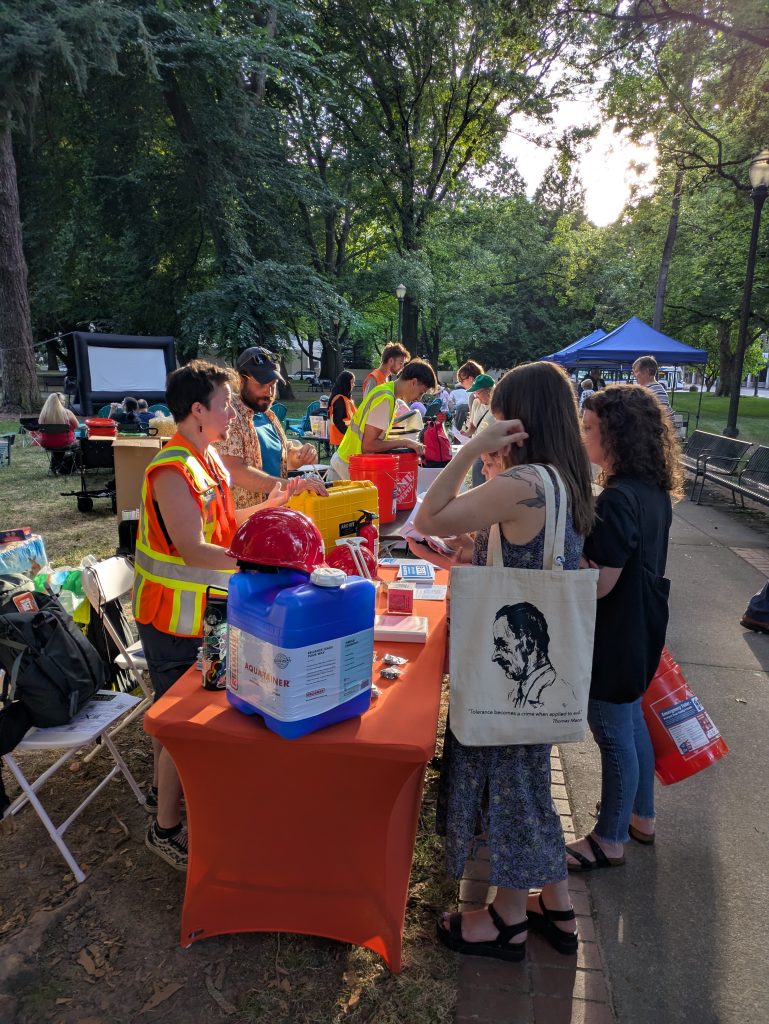
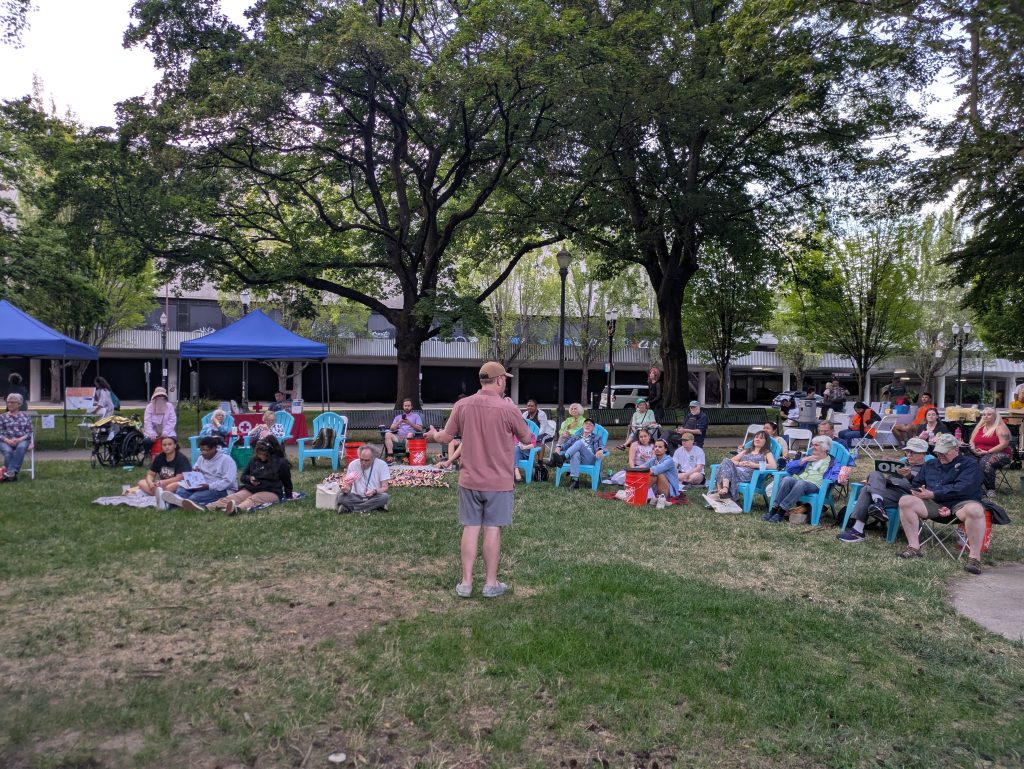
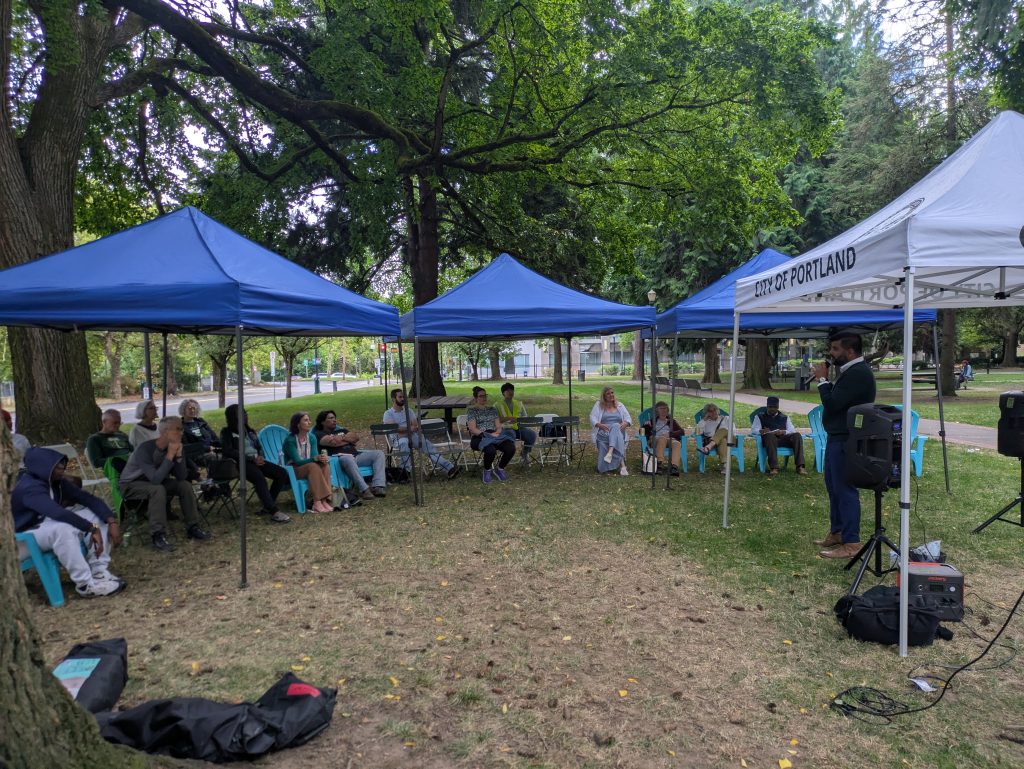
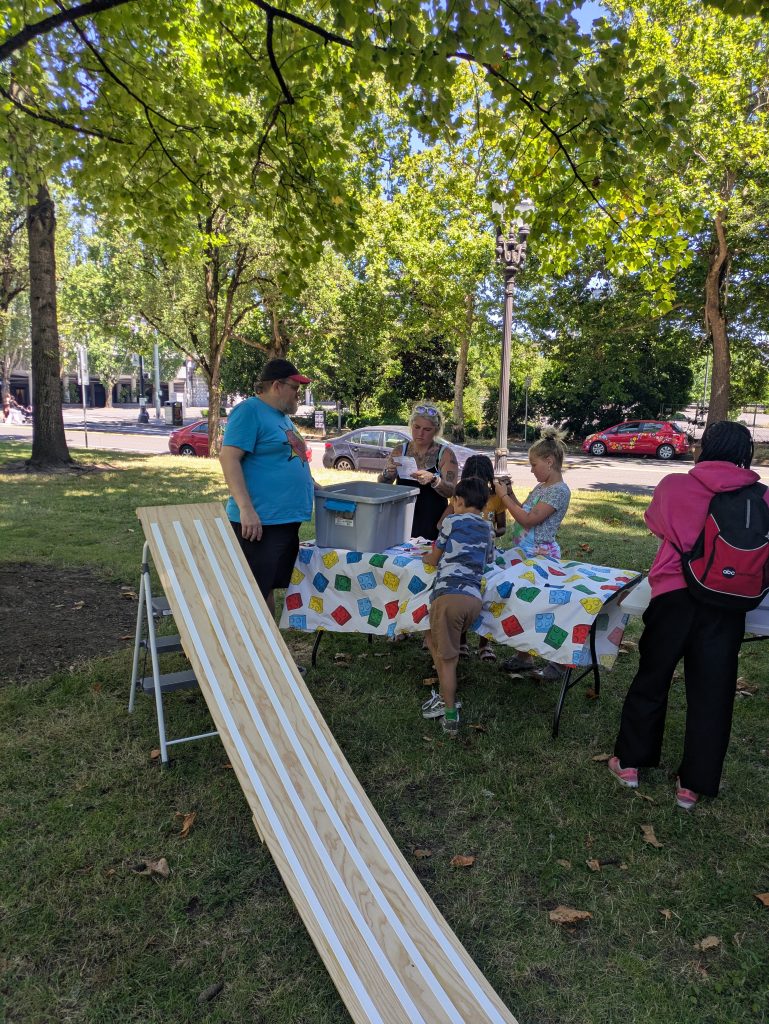
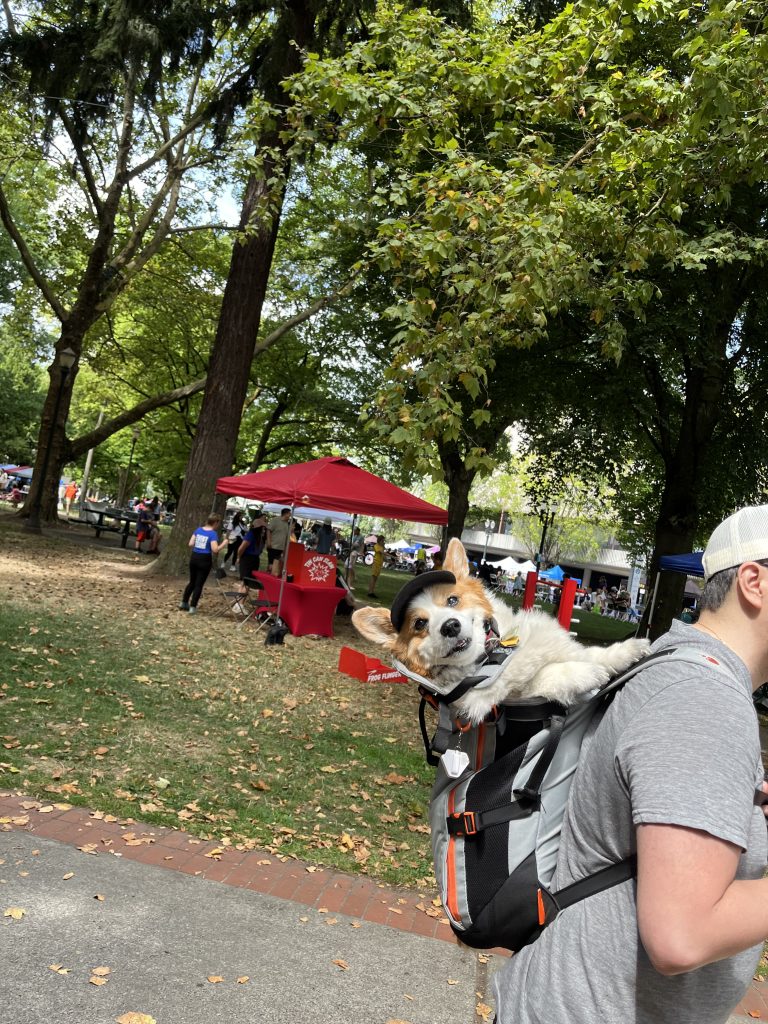
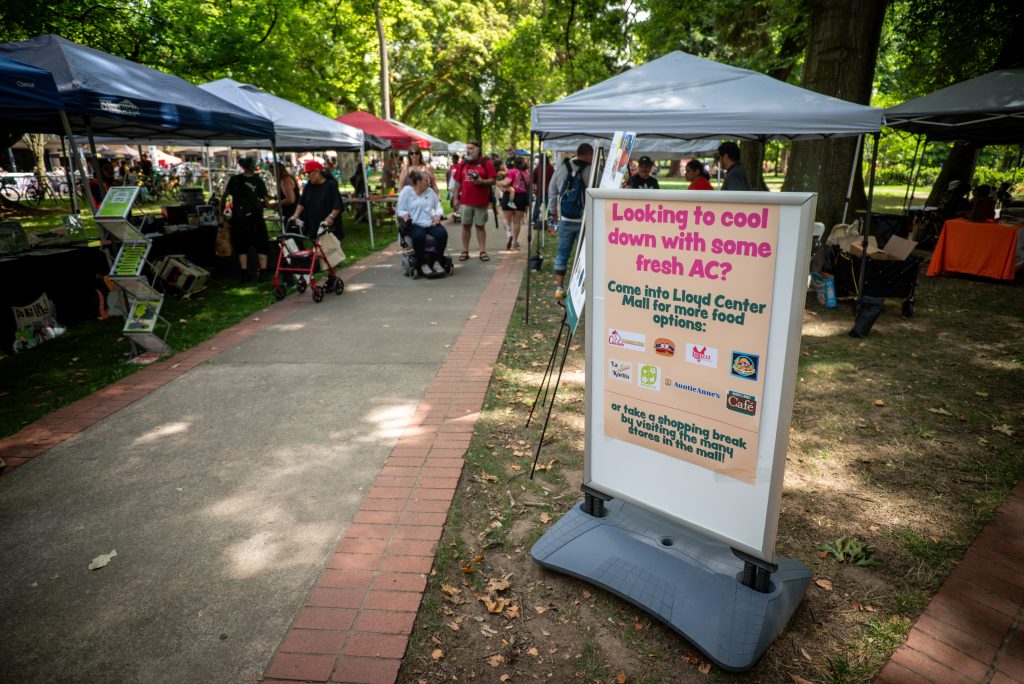
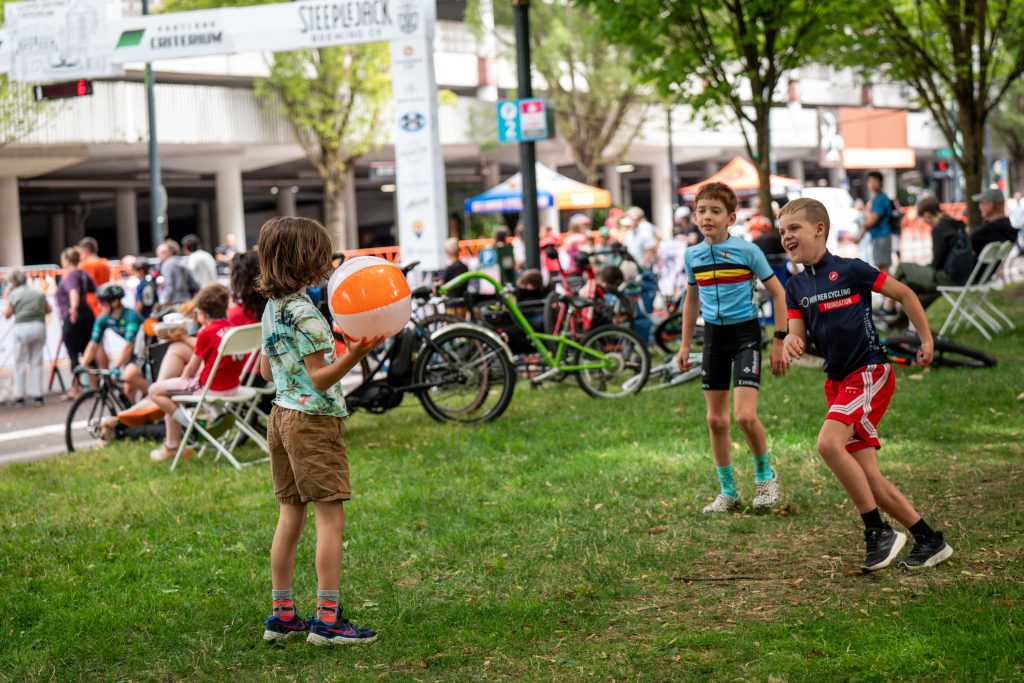
This summer, Lloyd EcoDistrict and our community partners spent 90 days in Holladay Park. That’s 74 events led by us, 12 more hosted by local partners, and only four unprogrammed days across the entire season. We showed up with lawn games, splash pad socials, forest bathing, live music, movies, art-making, yoga, market pop-ups, and, most importantly, a constant presence.
Our goal wasn’t to host one big day, but rather, to test a theory:
That consistency and care, not expensive infrastructure or one-off spectacles, are what actually make a park feel safe, vibrant, and loved.
And we were right.
 Why This Worked: The Power of “Just Showing Up”
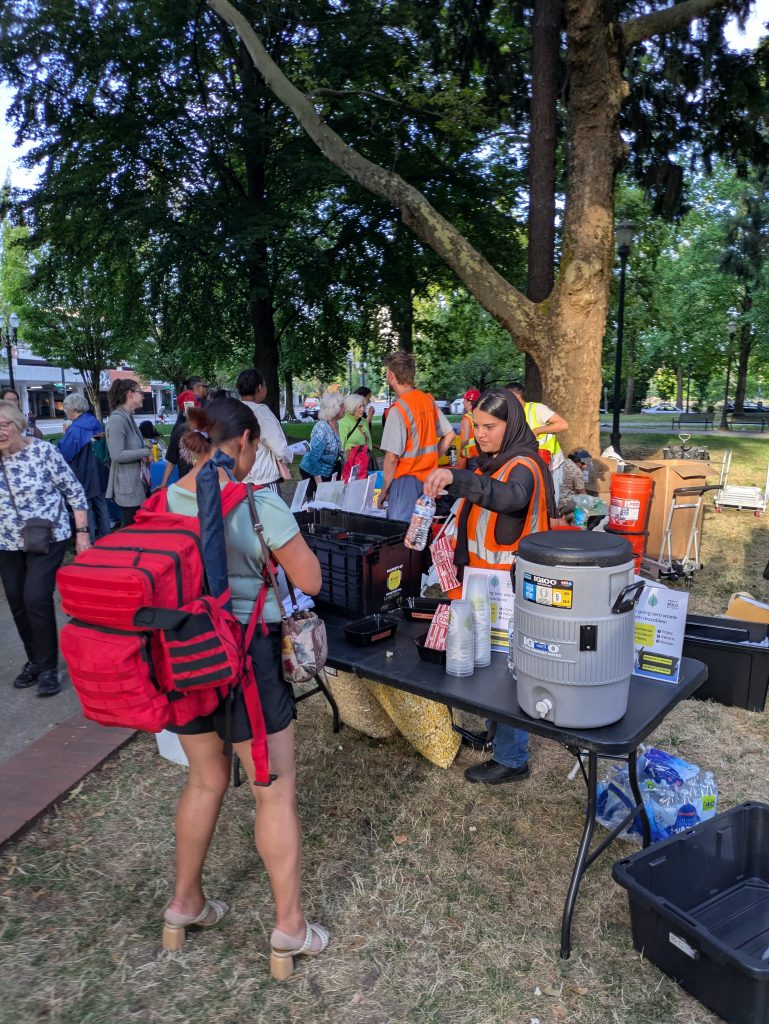
Some days, we had 150 people dancing and eating under the trees. Some days, we just handed out ice water and popsicles and listened to someone talk about their week. But every day we were there, something shifted.
- Parents felt safer letting kids use the splash pad.
- Elders returned for the forest bathing walks.
- Local preschool teachers brought groups to play.
- Commuters lingered with a coffee.
- People who were unhoused and struggling still came too, but they adjusted their behavior, respected the space more, or at the very least weren’t alone.
In the words of one of our summer staff:
“This wasn’t about fixing the park. It was about showing up—and letting people know someone gave a damn.”
 Data Doesn’t Lie: Behavior Shift, Not Just Vibes
Matt Dormer’s passive monitoring system (dormer.solutions) helped us quantify what we were already feeling. Across these deployments in the park:
- Pedestrian, cycling, and dog-walking traffic increased notably on programming days.
- Natural surveillance (just people being around) decreased concerning behaviors.
- Park use peaked from 11 AM–1 PM and 3–5 PM, which often aligned with our programming window.
These patterns support modern CPTED (Crime Prevention Through Environmental Design) practices, not through hostile architecture or increased policing, but by activating space with joy, visibility, and belonging.
 From Our Team: What We Saw on the Ground
“People used to tell us they didn’t feel safe here. But this summer, they told us they were grateful. That they could breathe a little.” – Wally
“We didn’t need a million dollars. We needed shade, music, water, somewhere to sit, and someone to say hi.” – Cal
“It’s not always easy, but showing up made a difference. And people noticed.” – Dan
We learned the sweet spot was not perfection, but presence.
 What Didn’t Work: The Hidden Costs of Underinvestment
Let’s be honest: some things were hard.
- We had to clean up the portable toilet daily. It was gross.
- We saw vandalism at night and had to store gear creatively.
- We witnessed people bathing in fountains and using drugs.
- We had to call for help when things escalated—usually between 2–5 PM, not in the morning.
But what made it harder was what wasn’t there:
- No drinkable water
- No electrical hookups
- No storage
- No onsite bathrooms
These absences don’t deter harm, but they actually invite it. They’re in the same family as hostile architecture: systems that punish everyone for the potential behavior of a few. In their absence, positive use becomes harder, not easier. This park was not equipped for dignity, safety, or joy. But we tried anyway and succeeded.
 What Helped (and What’s Next)
What made this season work wasn’t perfection. It was:
- An affordable, flexible permit from Portland Parks
- A backbone of consistent summer staffing
- Trusted partners like Brickdiculous, Hygiene4All, musicians, artists, and dozens of local community groups
- Simple infrastructure: storage bins, portable shade, seating, signage, solar batteries.
- Support from Multnomah County to test new models of park engagement
Our next step is to bring this into the Holladay Park Resilience & Mobility Hub, a grant-funded plan already underway. The long-term goal?
- A permanent flexible-use building for programming, vendors, and secure storage
- Built-in water and electricity
- A replicable calendar and toolkit for other neighborhoods
- A stewardship agreement that lowers activation costs and encourages community groups to participate
 A New Model for Portland Parks?
As Portland Parks & Recreation faces tough budget decisions and long-term uncertainty, the model we piloted at Holladay may be part of the answer.
This isn’t a replacement for public funding. It’s a partnership strategy. One where:
- Parks focus on maintaining basic infrastructure and environment.
- Community orgs like ours handle programming and presence.
- Shared resources like water, power, bathrooms, and shelter make that work possible.
- Everyone wins.
The result? Fewer rangers needed. Lower cost per event. More consistency. And a public space that actually feels public.
 Gratitude
We are especially grateful to:
- Portland Parks & Recreation for trusting us with this experimental permit
- Multnomah County for investing in creative strategies for public safety and livability
- Our summer staff, who cleaned up messes, handed out water, mediated conflicts, and still managed to make it all look easy
- The community, who showed up, danced, rested, played, cried, laughed, and reminded us what a park is really for
 Final Thought
Public space isn’t about pristine lawns or expensive lighting.
It’s about being present.
Even when it’s hard.
Especially when it’s hard.
That’s what we did this summer. And we’re just getting started.